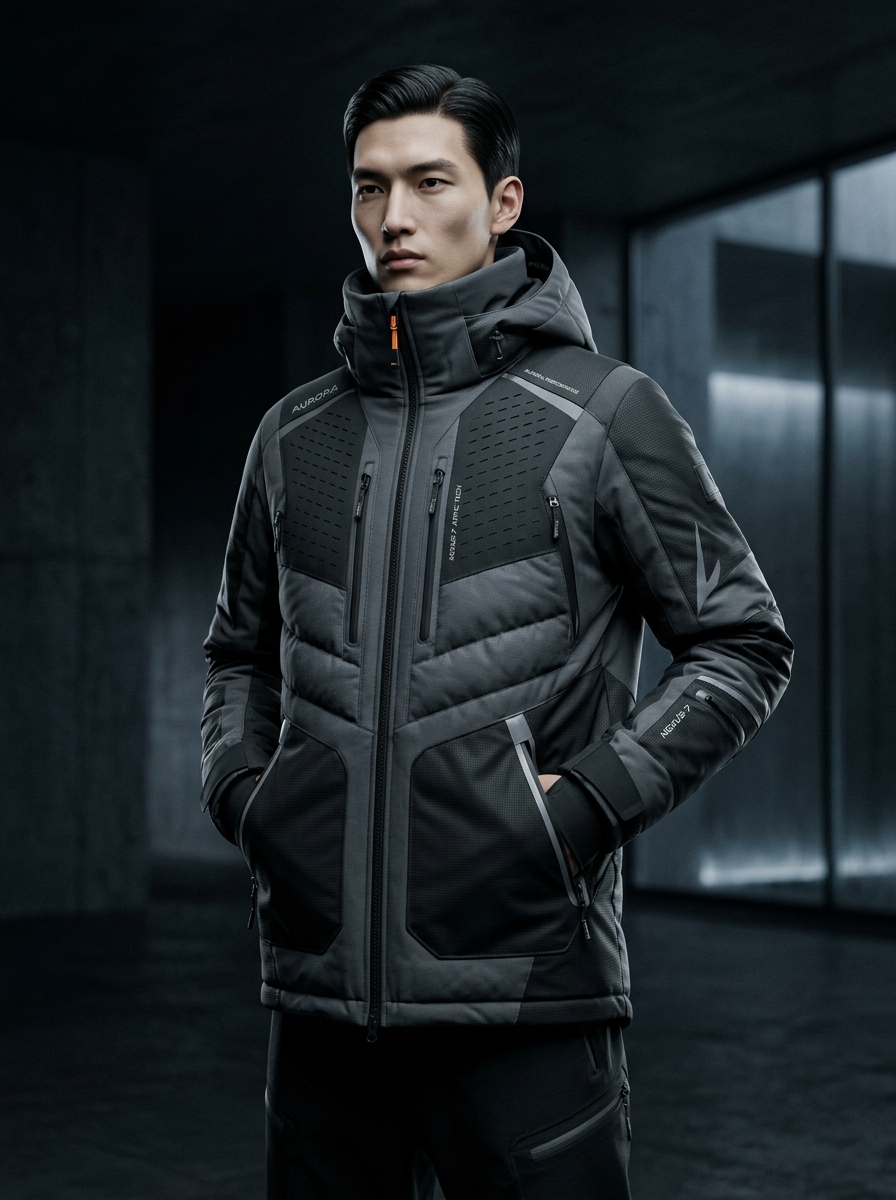
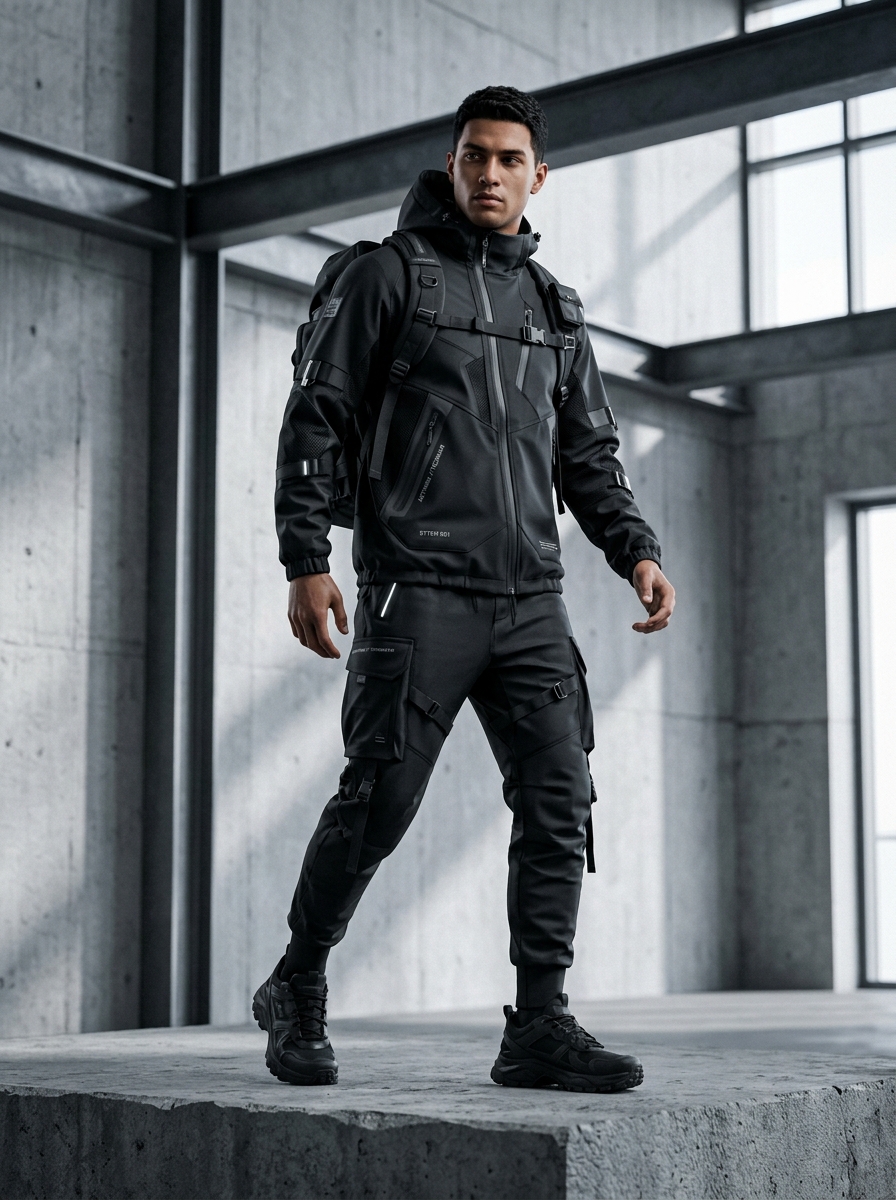
Áo thun mùa hè
A comprehensive study on structural color-blocking and activewear paneling, engineered for maximum breathability and athletic performance in warm climates.
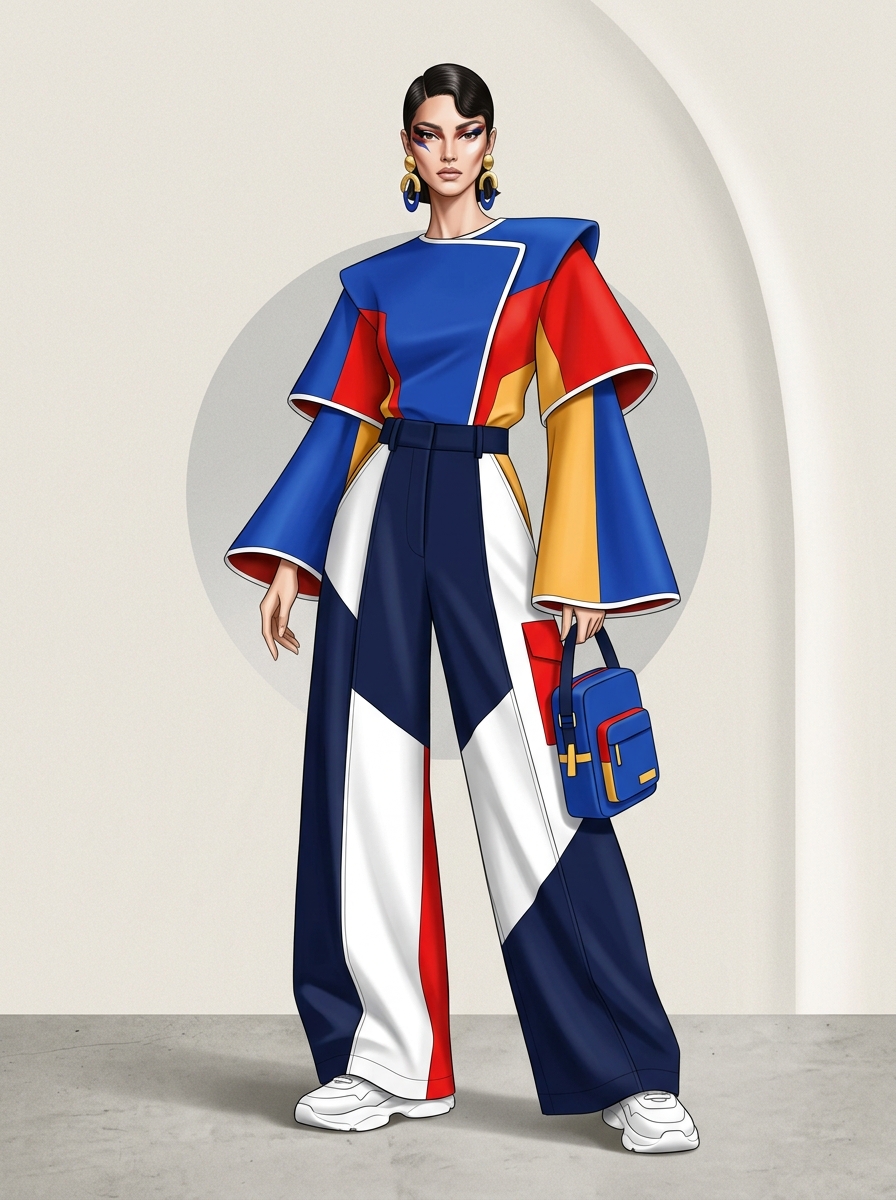
Project Overview
The objective of this project was to explore advanced retro-inspired color-blocking techniques for a summer activewear collection. By mapping contrasting seams along the body's natural biomechanical lines, the design aims to minimize friction points while achieving a bold, structural aesthetic. The challenge was ensuring that lightweight, stretchy knits maintain their shape without puckering at complex intersecting seams.
Core Objectives
Structural Paneling
Stretch & Recovery
Seam Minimization
Tech Pack Delivery
Workflow & Process
1. Reference & Line Mapping
Studying vintage 80s sportswear and sketching biomechanical lines directly onto a 3D avatar.
2. Pattern Slashing & Spreading
Dividing a basic knit block into multiple color panels while maintaining overall garment measurements.
3. Virtual Simulation
Applying physical properties of cotton-spandex jersey in CLO3D to test seam puckering and stretch limitations.
4. Grading & Factory Specs
Creating precise graded rules for intersecting panels and detailing flatlock stitching requirements.
Design Gallery
Technical Details
Challenges & Solutions
Challenge: Seam Puckering
Combining multiple knit panels introduced a high risk of seam puckering and tension warping along curved joints, specifically around the shoulder and chest intersections during movement.
Solution: Tension Balancing
Adjusted pattern notch placements to ensure even fabric distribution. Specified differential feed settings for the overlock machines in the Tech Pack and simulated the relaxed state in CLO3D to verify a smooth drape.
Final Outcome
- Fully Graded Colorblock Templates
- Accurate 3D Fit Validations
- Complete Manufacturing Tech Pack
- CMYK/RGB Color Fastness Specs
Lessons Learned
Designing complex knits requires a profound understanding of stretch directionality. This case study highlighted the necessity of specifying differential machine feeds and tension settings directly in the Tech Pack, proving that successful design is inseparable from manufacturing knowledge.